Container Chassis Guide: Types, Sizes and How They Work
What a container chassis is, the 20ft, 40ft and extendable types, axle setups and twist locks. Advice from a Miami chassis seller.
Quick answer
A container chassis is a road trailer built to carry an intermodal shipping container between ports, rail yards, warehouses and job sites. The three common types are the 20ft chassis, the 40ft chassis (which also carries 40ft High Cubes) and the extendable chassis, which adjusts from 20 to 45 feet. Pick the chassis that matches the container you move most often.
Gateway Container & Chassis carries “chassis” in its name for a reason: the company’s roots are in chassis sales, and the team has spent more than 30 years around container transportation equipment in Miami. This guide explains what a chassis is, how the main types differ and what to look at before you buy one.
What a container chassis does
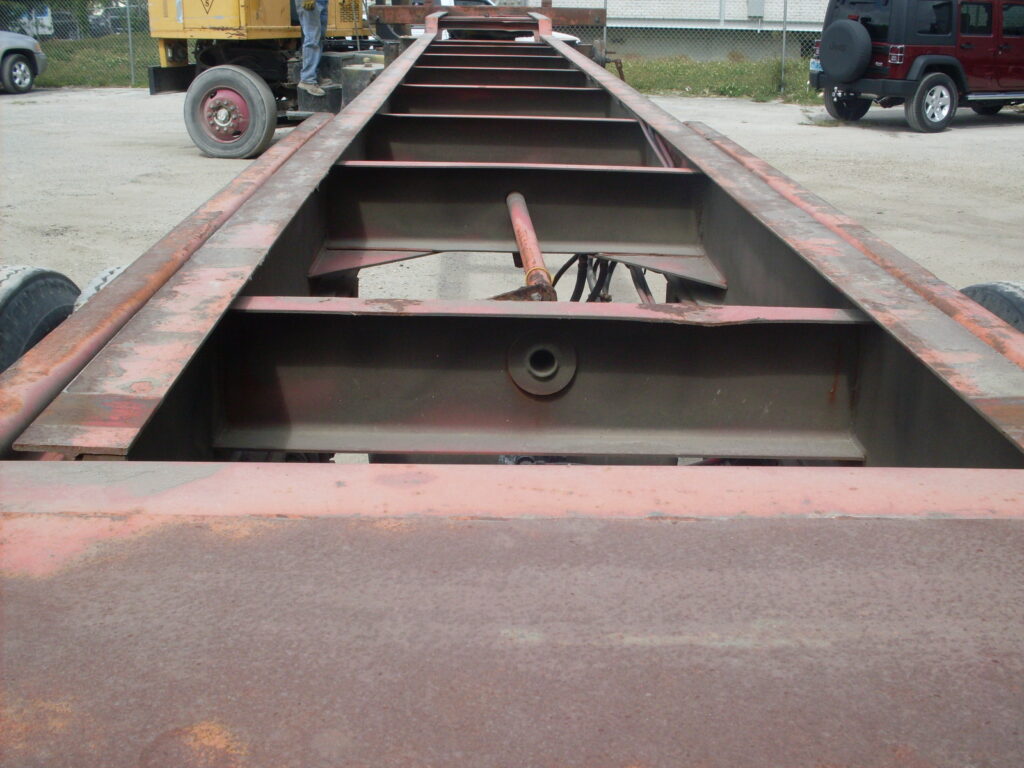
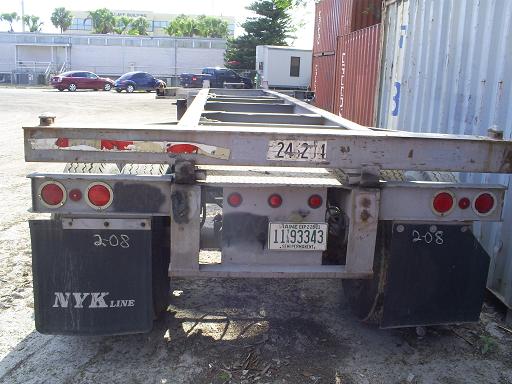
A chassis is a specialized trailer that connects to a truck tractor and supports a shipping container during highway transport. It is a key link in the intermodal supply chain: the container comes off a ship or a train, sits on the chassis, and travels by road to its next stop.
The container is held in place by twist locks that lock into the corner castings at each bottom corner. Once those locks are engaged, a fully loaded container rides securely on the frame.
The three main chassis types
20ft chassis
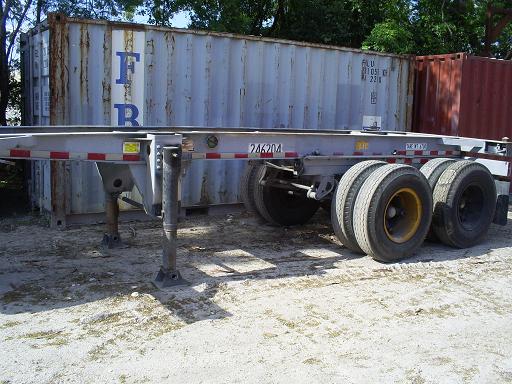
Built specifically for 20ft containers. It is lighter and more maneuverable than longer frames, which makes it a good fit for urban deliveries, tight spaces and port work.
40ft chassis
The industry standard for 40ft container transport and the most common type on the road. It handles both standard 40ft containers and 40ft High Cubes, since both share the same length and corner-casting positions.
Extendable chassis
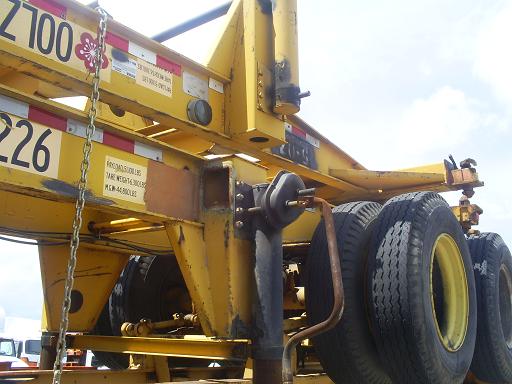
An adjustable-length chassis that can carry 20ft, 40ft and 45ft containers. It is the flexible option for fleets that move mixed container sizes, usually built as a slider or tri-axle design. That flexibility typically costs more than a fixed-length chassis.
| Specification | 20ft chassis | 40ft chassis | Extendable |
|---|---|---|---|
| Container size | 20ft only | 40ft / 40ft High Cube | 20ft to 45ft |
| Max payload (typical) | ~65,000 lbs | ~65,000 lbs | ~65,000 lbs |
| Axle configuration | 2-axle | 2-axle or tri-axle | Tri-axle typical |
| King pin | 2″ standard | 2″ standard | 2″ standard |
| Twist locks | 4 fixed | 4 fixed | Adjustable |
Key features to check
- Twist lock system: all four locks should engage and release cleanly.
- Air ride suspension: smooths the ride for the container and its cargo.
- ABS braking: part of the safety equipment on modern chassis.
- LED lighting: brighter, longer-lasting lights that help keep the unit road-ready.
New or used chassis?
A new chassis comes with a full manufacturer warranty, the latest safety features and current DOT compliance, with no maintenance history to worry about. It is the premium investment.
A used chassis offers significant savings and quick availability, which makes it a common choice for fleet expansion. Every chassis Gateway sells is inspected and meets DOT requirements for road use. Used units may need periodic maintenance such as brake adjustments, tire replacement or light repairs to stay compliant, and the team can advise you on condition and remaining service life.
How to choose the right chassis
- Start with the container. A 20ft container needs a 20ft chassis; a 40ft or 40ft High Cube needs a 40ft chassis.
- Plan for 45ft loads. A 40ft chassis cannot carry a 45ft container. You need an extendable chassis or a dedicated 45ft chassis; using the wrong size is unsafe and illegal.
- Think about your mix. If you move several container sizes, an extendable chassis saves you from owning multiple frames.
- Set your budget. New gives you warranty and zero history; used gives you savings and speed.
Gateway works with brands such as CIMC, Hyundai and Stoughton, depending on current inventory. See the full specifications on the container chassis page, or browse the containers that ride on them in our equipment lineup.
Reference: Federal Motor Carrier Safety Administration (FMCSA), the federal agency that sets DOT safety rules for commercial vehicles, including container chassis.
Frequently asked questions
What size chassis do I need?
Match the chassis to the container: a 20ft chassis for 20ft containers and a 40ft chassis for 40ft and 40ft High Cube containers. If you work with several sizes, an extendable chassis gives you flexibility, though it costs more.
Can I use a 40ft chassis for a 45ft container?
No. A 45ft container needs an extendable chassis or a dedicated 45ft chassis. Using the wrong size chassis is unsafe and illegal.
Do used chassis pass DOT inspection?
All chassis sold by Gateway are inspected and meet DOT requirements for road use. Used chassis may need periodic maintenance, such as brake adjustments, tire replacement or light repairs, to remain compliant.
Does Gateway lease chassis?
Gateway's primary focus is chassis sales. For leasing, contact the team to discuss your needs; longer-term arrangements may be possible, or they can refer you to leasing partners.
Which chassis brands are available?
Gateway works with brands such as CIMC, Hyundai and Stoughton, among others, depending on current inventory. Ask for what is available when you request a quote.
Get a free quote
Questions about container chassis? Tell us the size, condition, quantity and delivery city. Our bilingual team replies fast during business hours.
Gateway Container & Chassis LLC · 4721 NW 110th Ct, Doral, FL 33178 · Mon–Fri 7:30 AM–5:00 PM · jm@gatewaychassisllc.com