Refrigerated Container Buying Guide: Sizes, Power and Uses
Refrigerated container buying guide: 20ft and 40ft reefer sizes, temperature range, power needs and working vs non-working units.
Quick answer
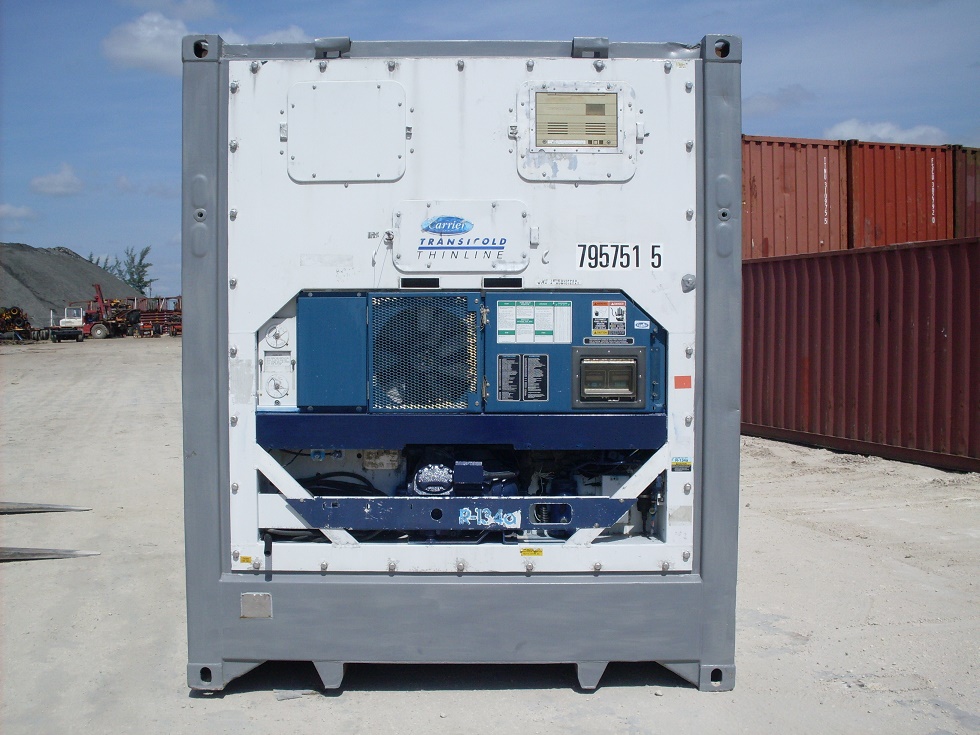
A refrigerated container (reefer) is an insulated shipping container with a built-in cooling unit that holds temperatures from -40°F to +77°F. Gateway sells 20ft and 40ft reefers. Before you buy, size the cold space you need, plan for 3-phase 460V power or a diesel generator, and decide between a working unit and a non-working unit.
Reefers keep food, flowers, medicine and other temperature-sensitive goods in the right range, whether they sit on your property or travel overseas. This guide covers the decisions that matter when you buy one in Miami.
Refrigerated container sizes
| 20ft reefer | 40ft reefer | |
|---|---|---|
| External | 20′ × 8′ × 8′6″ | 40′ × 8′ × 9′6″ |
| Internal | 17′10″ × 7′5″ × 7′5″ | 37′11″ × 7′5″ × 8′5″ |
| Capacity | ~1,000 cu ft | ~2,100 cu ft |
| Max payload | ~45,000 lbs | ~55,000 lbs |
| Best for | Smaller cold storage, restaurants, limited space | Commercial cold storage, food distribution |
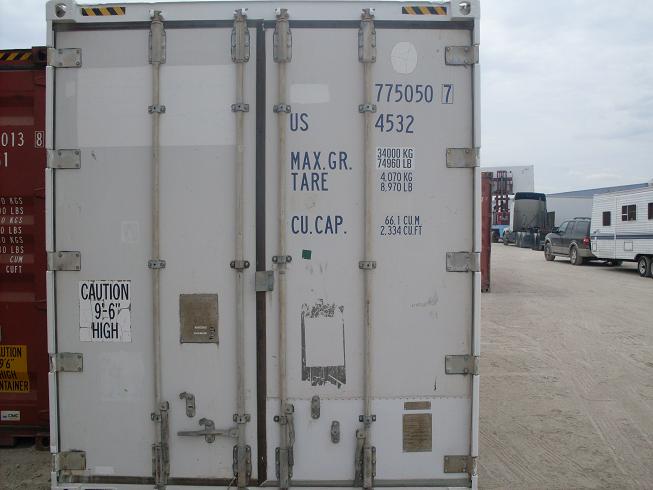
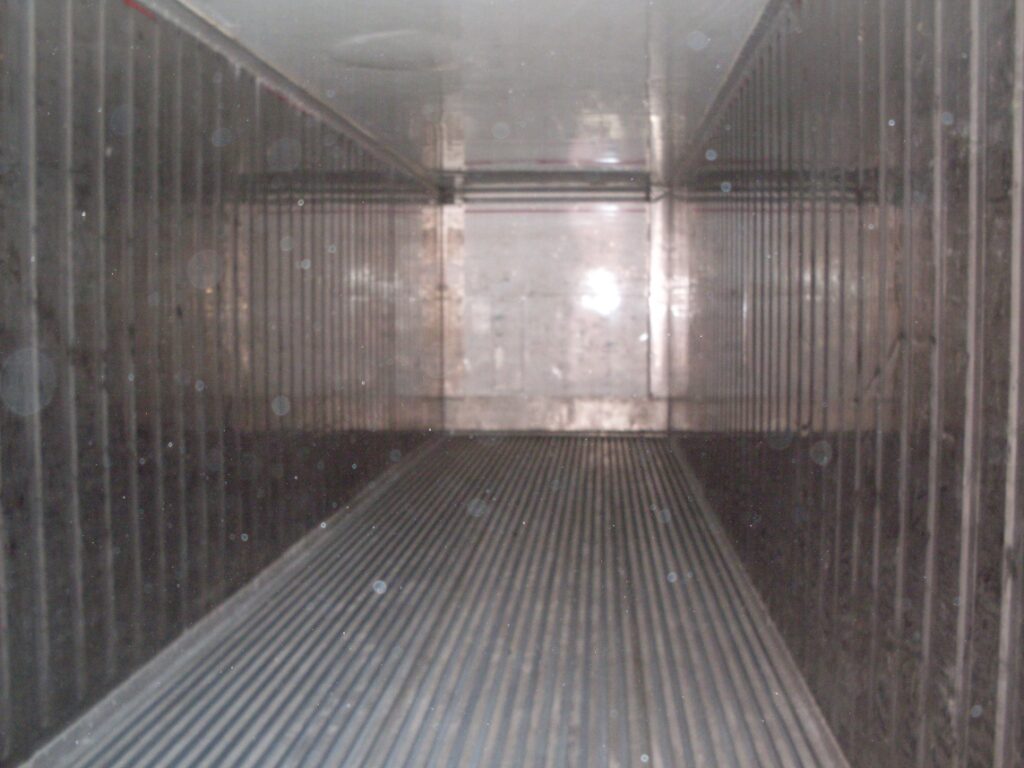
Inside dimensions are smaller than on a dry container because the walls are heavily insulated. The 40ft reefer is the most popular size.
Temperature range and controls
Gateway’s reefers hold from -40°F to +77°F (-40°C to +25°C) with integrated cooling systems, heavily insulated walls and digital temperature controls. That range covers frozen goods, chilled produce and climate-controlled storage.
Power: plan this first
A reefer needs external power to run: 3-phase 460V electrical service or a diesel generator. Typical consumption is 4–7 kW, depending on outside temperature and settings. In South Florida heat, plan your power before delivery day; the team can advise on the setup.
Working or non-working unit?
- Working reefer: fully operational refrigeration for cold storage or temperature-controlled cargo.
- Non-working reefer: keeps its insulated walls without active cooling. Ask the team whether it fits your project.
Who uses a refrigerated container
- Food and beverage: restaurants, caterers, grocers and distributors for overflow, seasonal demand or backup cold storage.
- Pharmaceutical: medicines, vaccines and medical supplies.
- Agriculture: harvest storage, flowers and farm-to-market cooling.
- Wine and spirits, labs and events: stable conditions and on-site refrigeration.
See current units on the refrigerated containers page, or read how reefers support agriculture.
Reference: Refrigerated container (Wikipedia), how reefer units keep cargo at a set temperature.
Frequently asked questions
What temperature range does a refrigerated container hold?
Gateway's reefers maintain temperatures from -40°F to +77°F (-40°C to +25°C), with digital temperature controls.
What power does a reefer need?
A reefer needs 3-phase 460V electrical power or a diesel generator. Typical consumption is 4 to 7 kW depending on ambient temperature and settings.
What reefer sizes are available?
Gateway offers 20ft reefers with about 1,000 cubic feet and 40ft reefers with about 2,100 cubic feet of capacity.
Why is the inside of a reefer smaller than a dry container?
Reefer walls are heavily insulated to hold temperature, so internal dimensions are smaller than on a standard container of the same length.
Can a refrigerated container be used for export?
Yes. Reefer containers are used for cold chain logistics and temperature-controlled cargo, including food and pharmaceutical transport.
Get a free quote
Questions about refrigerated container? Tell us the size, condition, quantity and delivery city. Our bilingual team replies fast during business hours.
Gateway Container & Chassis LLC · 4721 NW 110th Ct, Doral, FL 33178 · Mon–Fri 7:30 AM–5:00 PM · jm@gatewaychassisllc.com